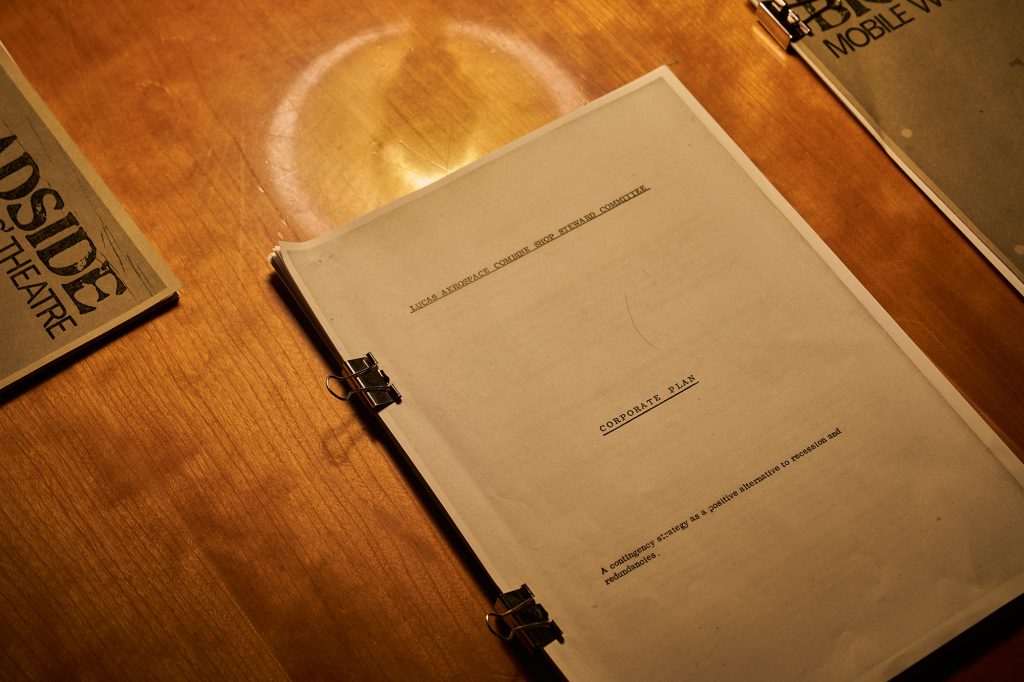
A Socially Useful Production of “The Participation Waltz” begins with The Lucas Plan, a radical proposal developed by workers at Lucas Industries in the UK in 1976, that was nominated for a Nobel Prize.
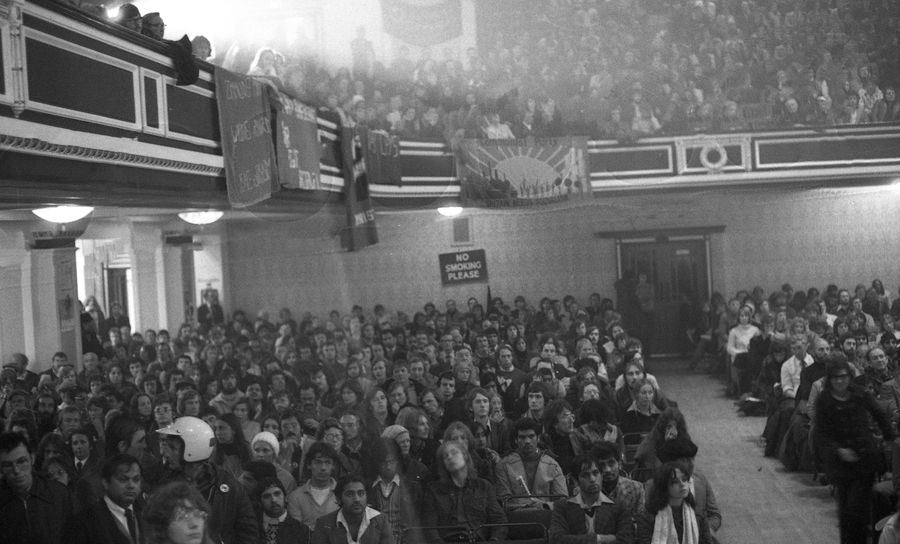
Lucas Industries was a manufacturer with multiple sites across the UK which had its origins in Birmingham in the late 1900’s. By the 1970’s the workers possessed specialised technical knowledge which was being used to design and manufacture military equipment used overseas. The workers focus was determined by military contracts and profitability which was in turn funded by UK tax payers. In response to what they experienced as a decline in working and living conditions, and an ideological disconnect with the company’s changing end products, the workers at Lucas Aerospace developed what became known as The Plan, which proposed that engineers and workers should have a meaningful role in determining what was produced and how. Rather than accepting technology as something that progresses independently of society, workers argued that the technologies and systems we make are shaped by social choices, and that those choices should be more democratic.
The workers developed 150 proposals for “alternative products and systems” which included dialysis machines, wind turbines, fuel cells and public transport systems. The Plan described changes to the hierarchy of the company itself, proposing job redesign, employee development, collaboration with universities and the wider community, and improving participation of women in engineering and technological development. The workers challenged Lucas’s management definition of profitability, asking instead what might happen if social and environmental needs became measures of value.
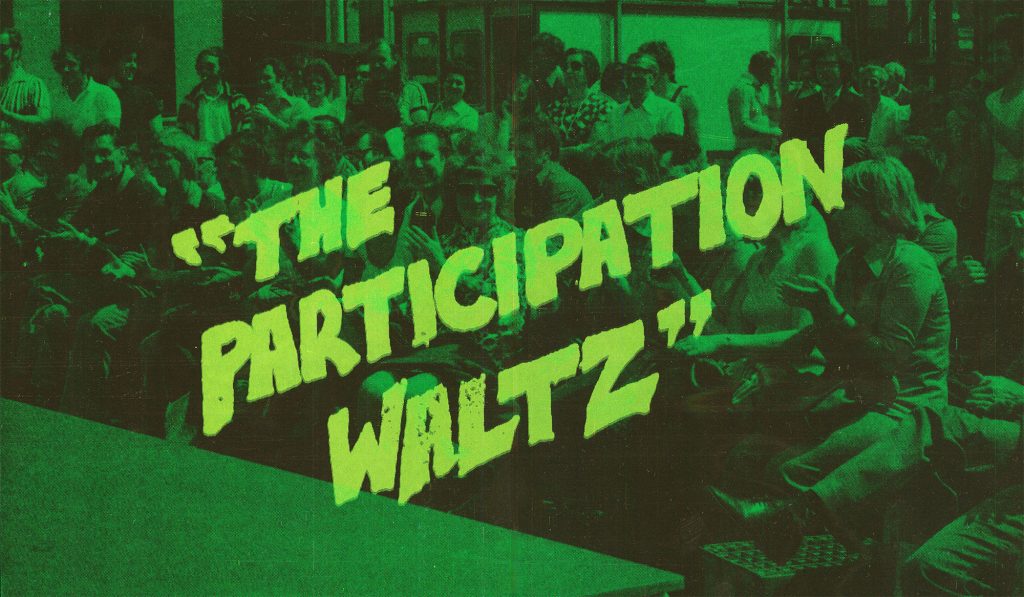
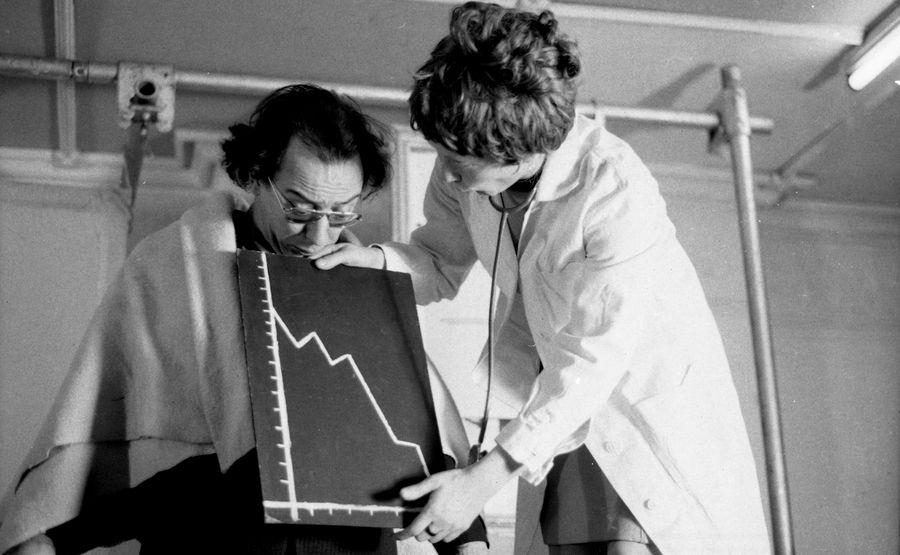
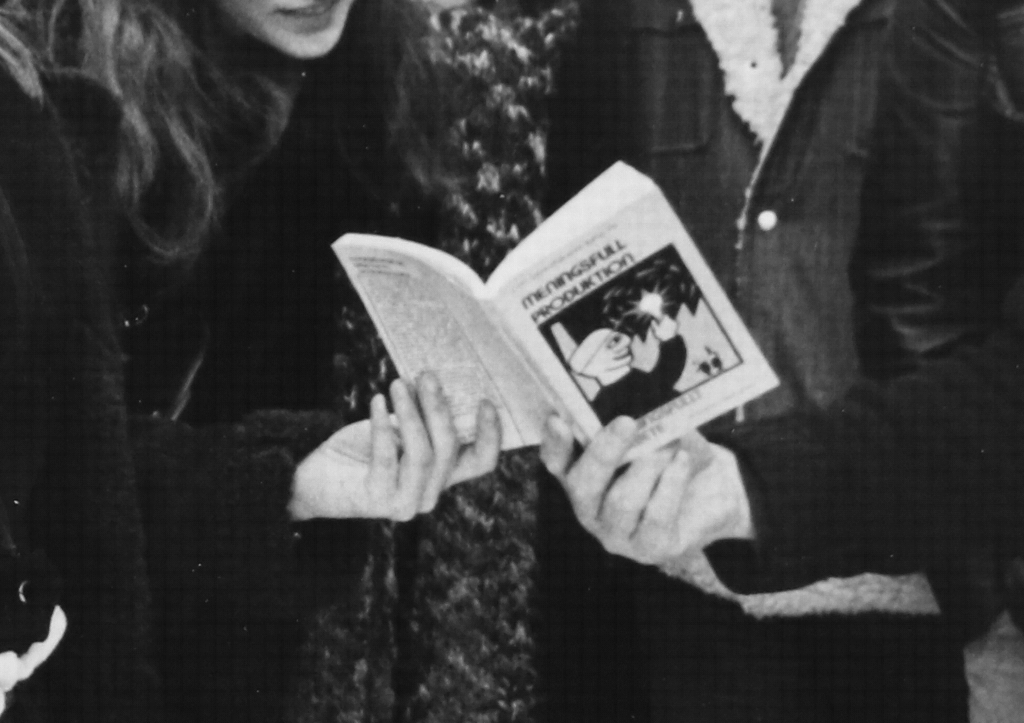
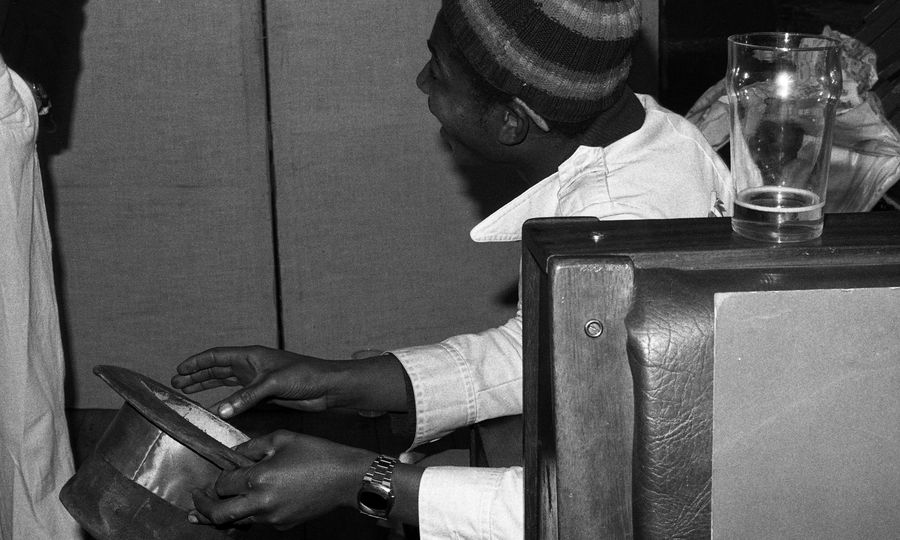
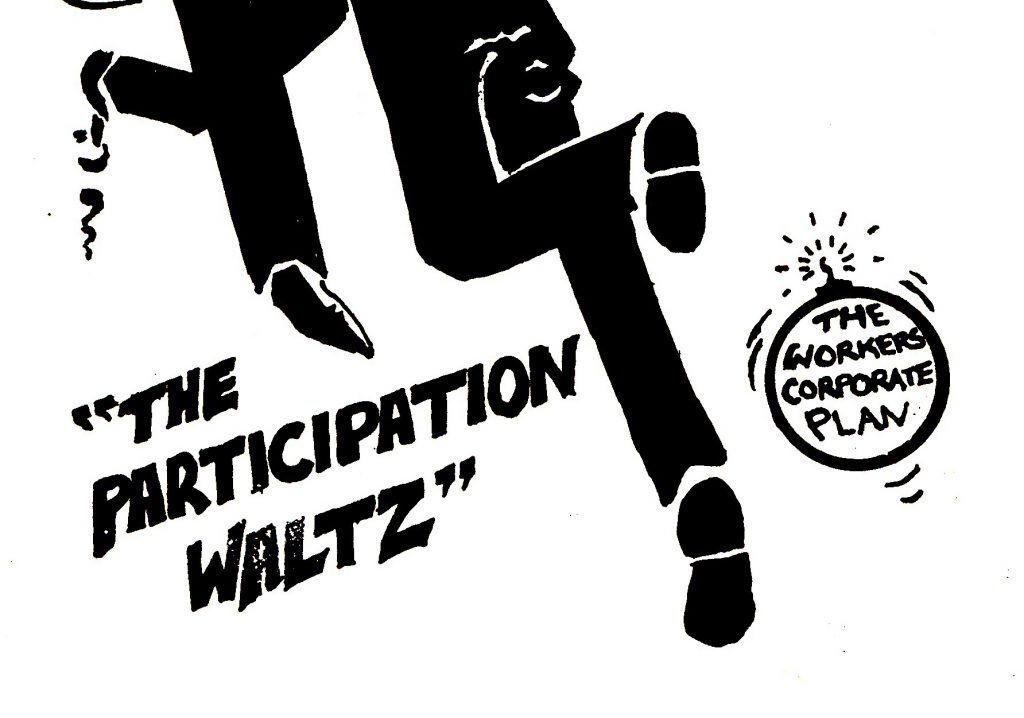
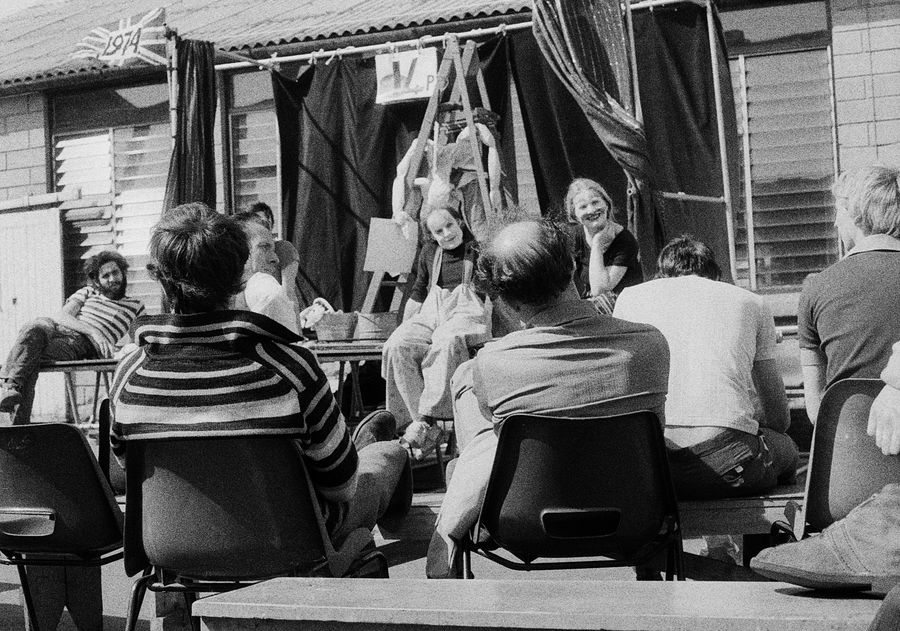
During the plan’s inception, the play “The Participation Waltz” was developed with Lucas workers by Broadside Mobile Workers Theatre. The play was performed in factories, on picket lines, in car parks and community halls and it explored the “many dilemmas faced by these highly skilled workers: cancellation of projects, perennial redundancies, having to work on military rather than socially useful products”. Lucas workers designed and built a stage for the theatre and supported the theatre companies Arts Council application, emphasising that dramatisation could provide a basis for a “widespread discussion” of the profound questions facing workers.
The Lucas Plan and “The Participation Waltz” are both concerned with what happens “behind the scenes”. The Lucas Plan exposed the structures behind production and the opaque systems through which decisions about labour, utility and value are made. “The Participation Waltz” made these ideas accessible and turned those structures into artistic critique, making visible the conflicts and manipulations of power that remain hidden behind closed doors, whilst presenting an alternative.
The Lucas Plan was never implemented. Its ambitions were unrealised, however it remains urgent. Who gets to decide what is valuable and useful? What is produced and why? How might we dismantle and shape the systems we are made to be part of?
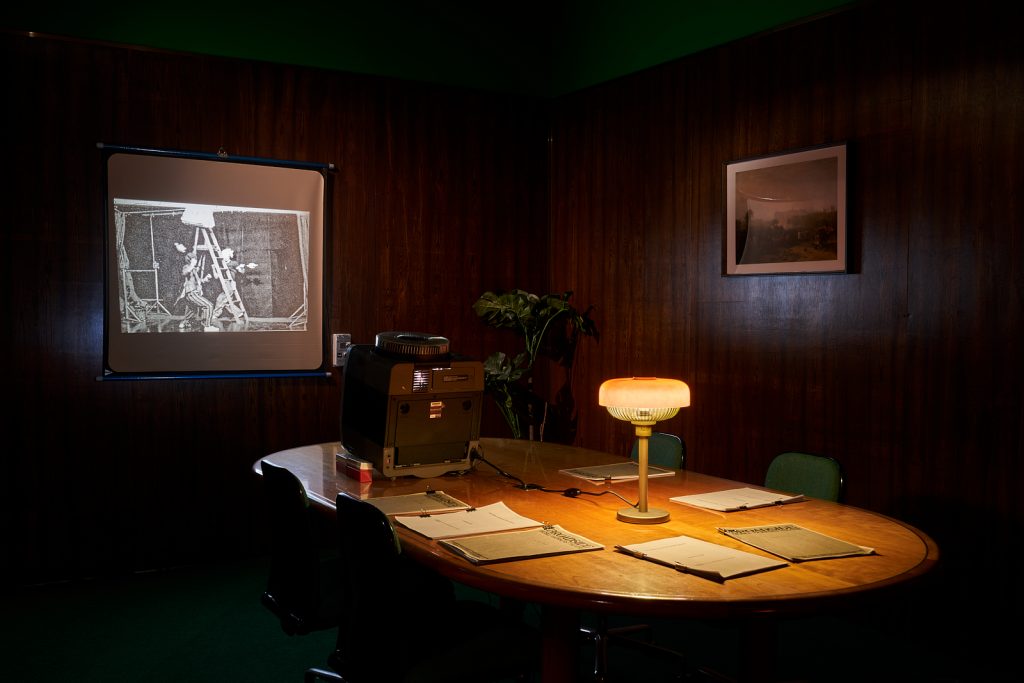
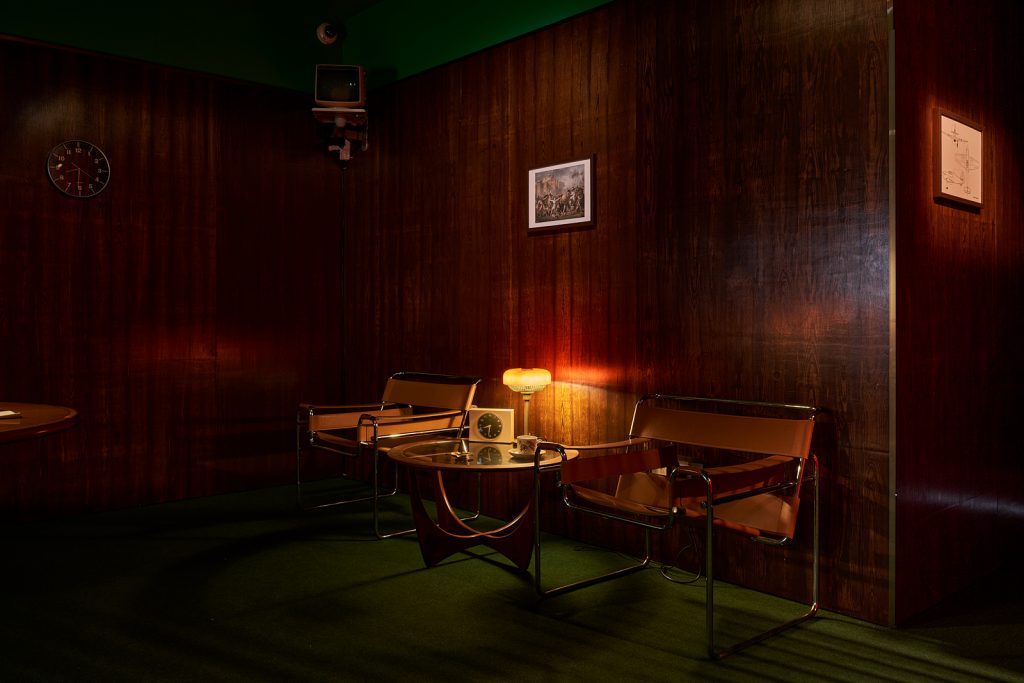
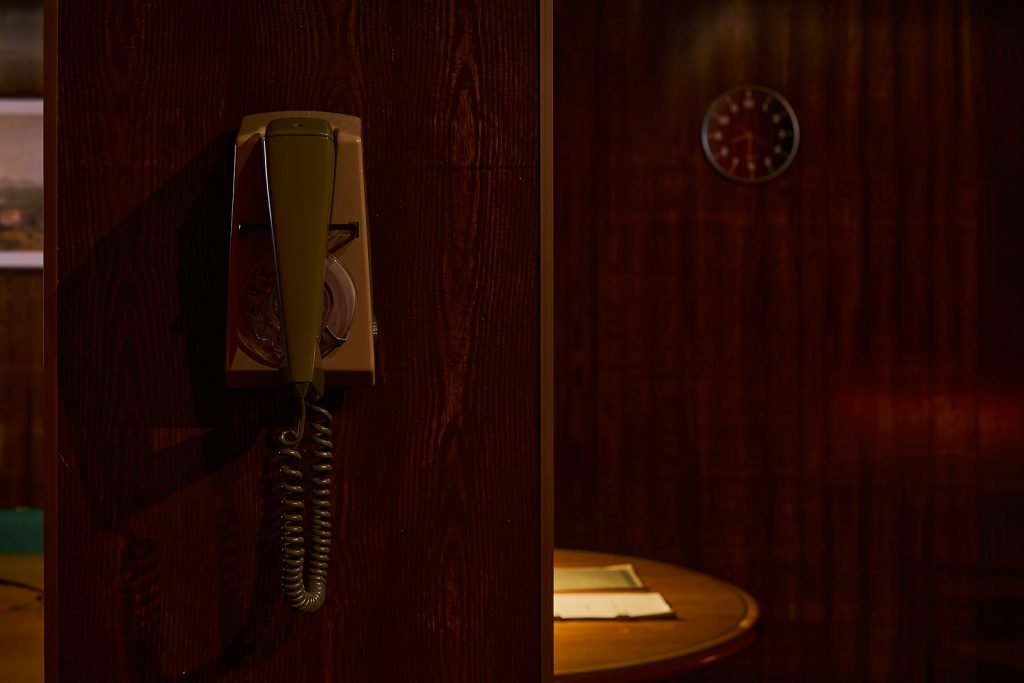
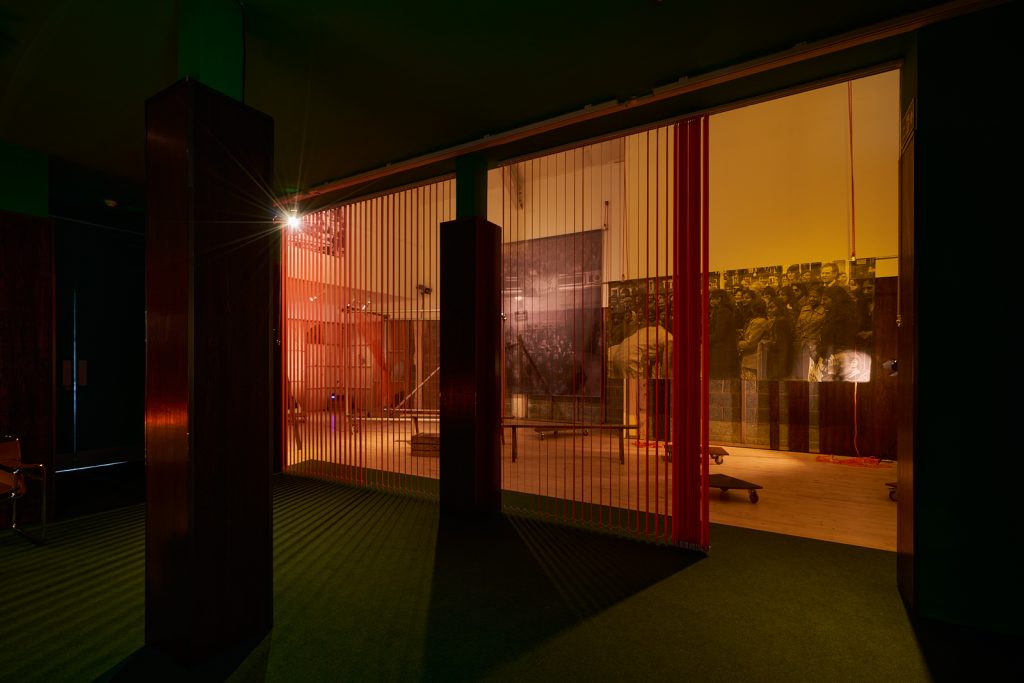
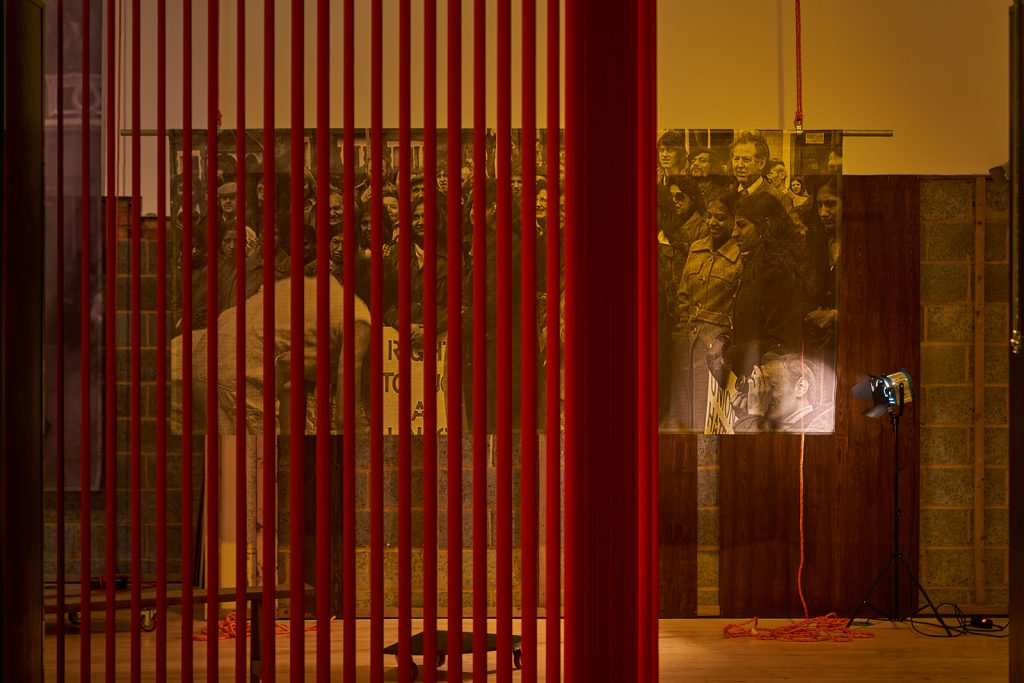
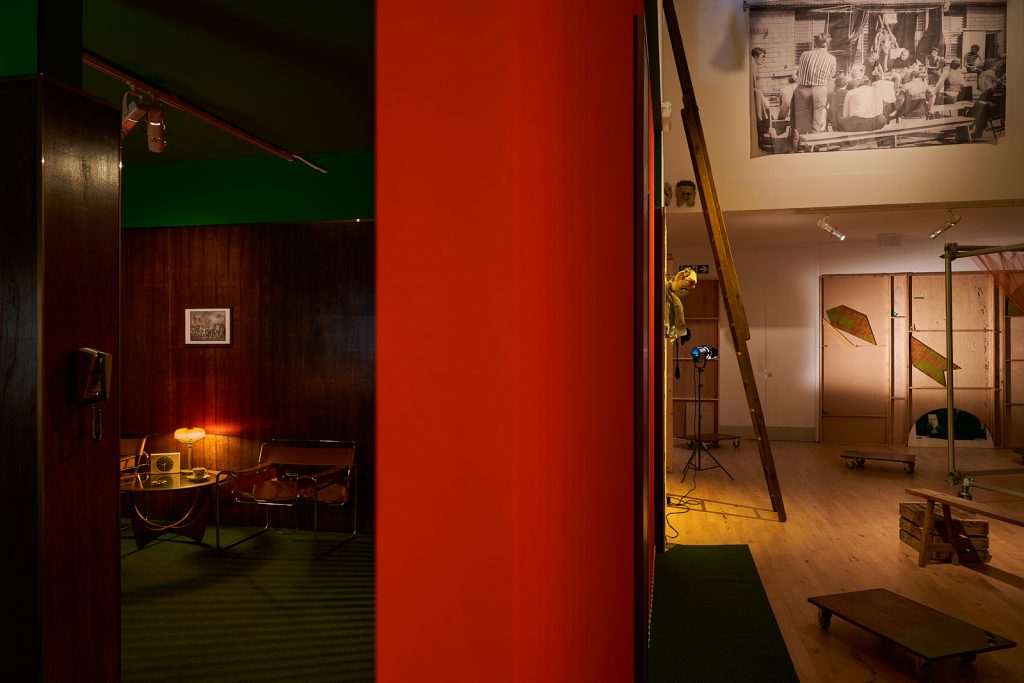
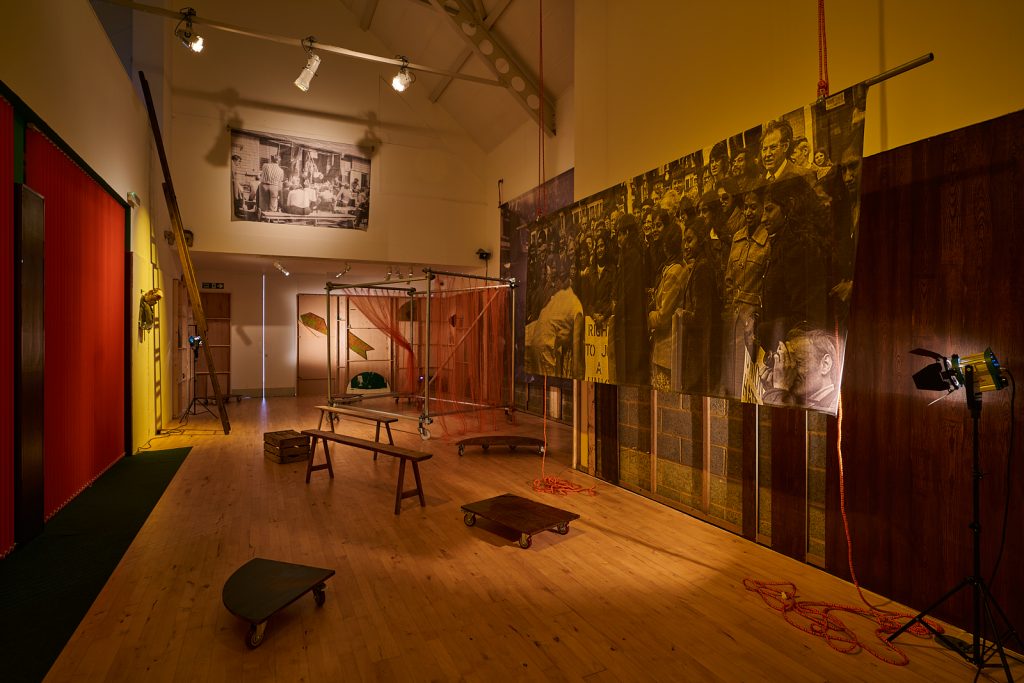
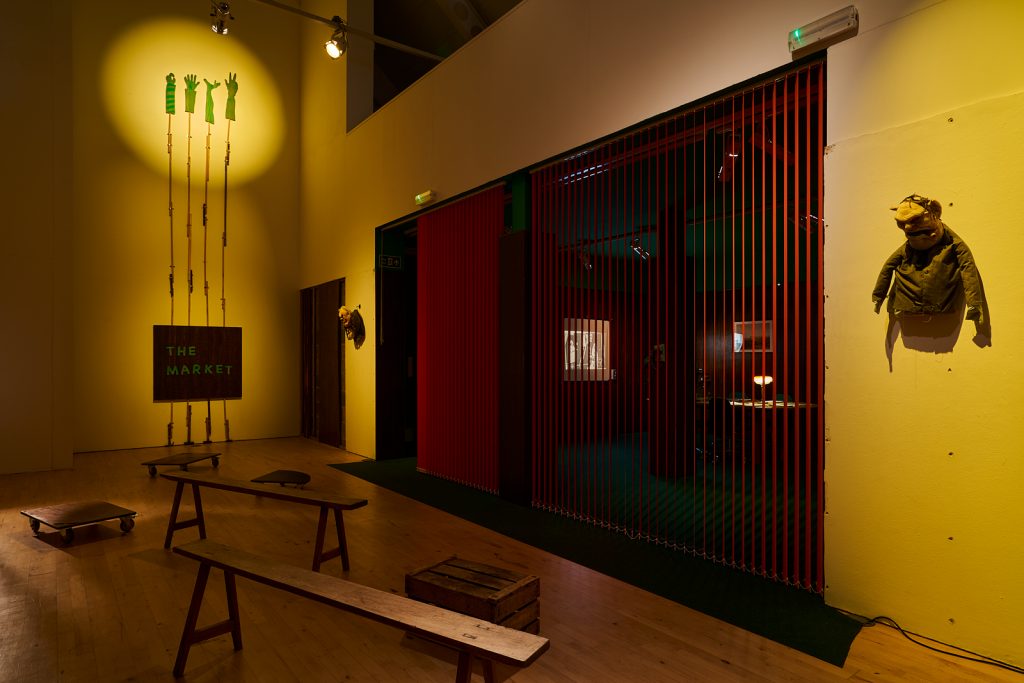
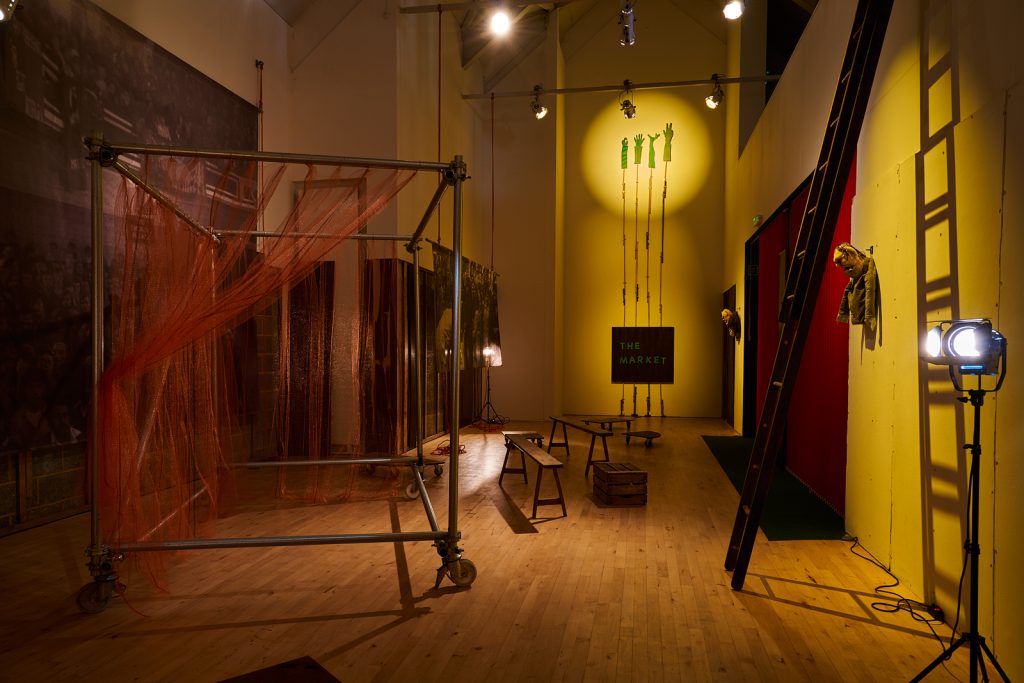
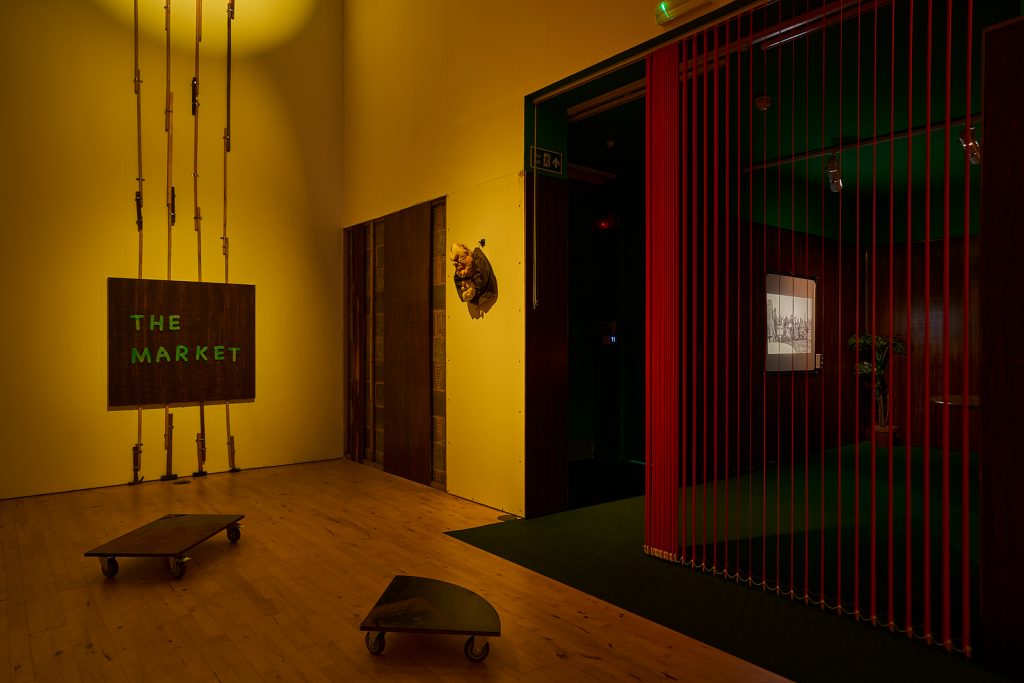
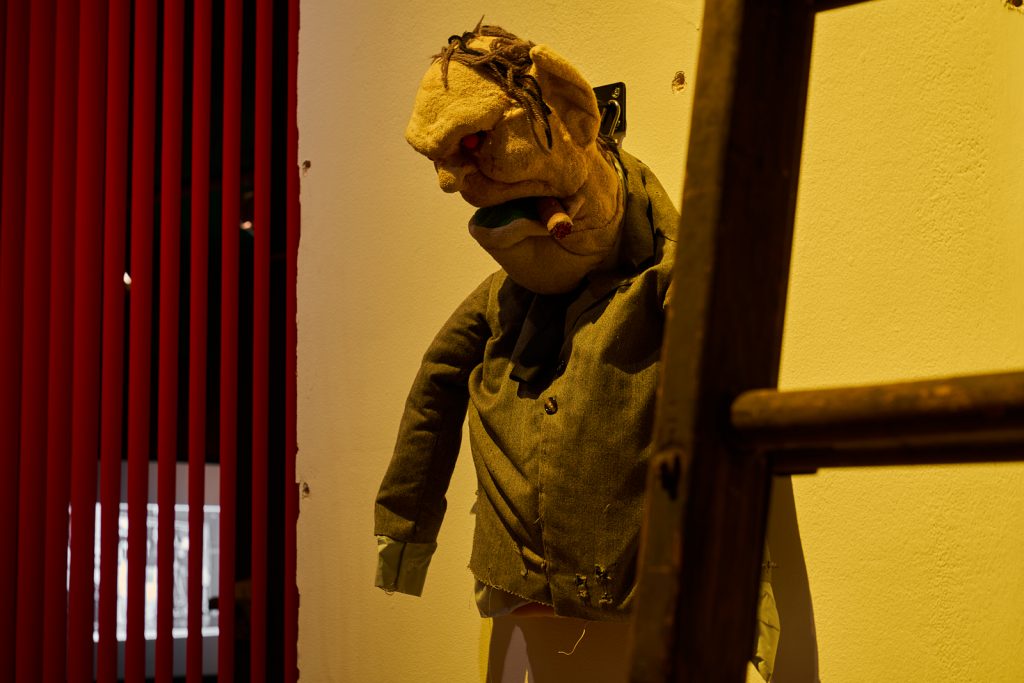
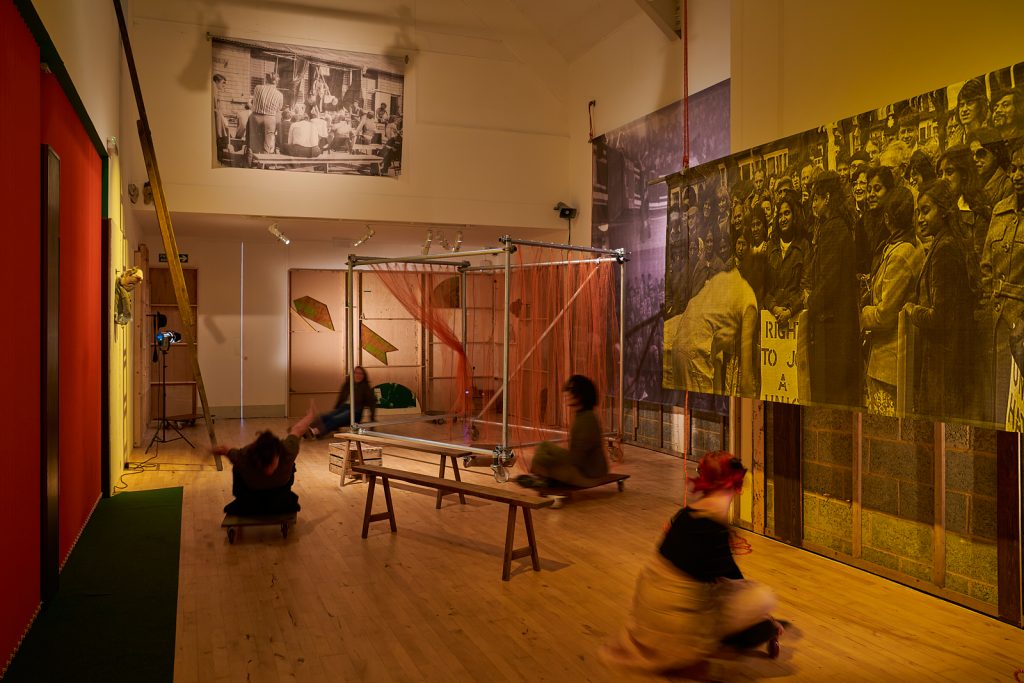
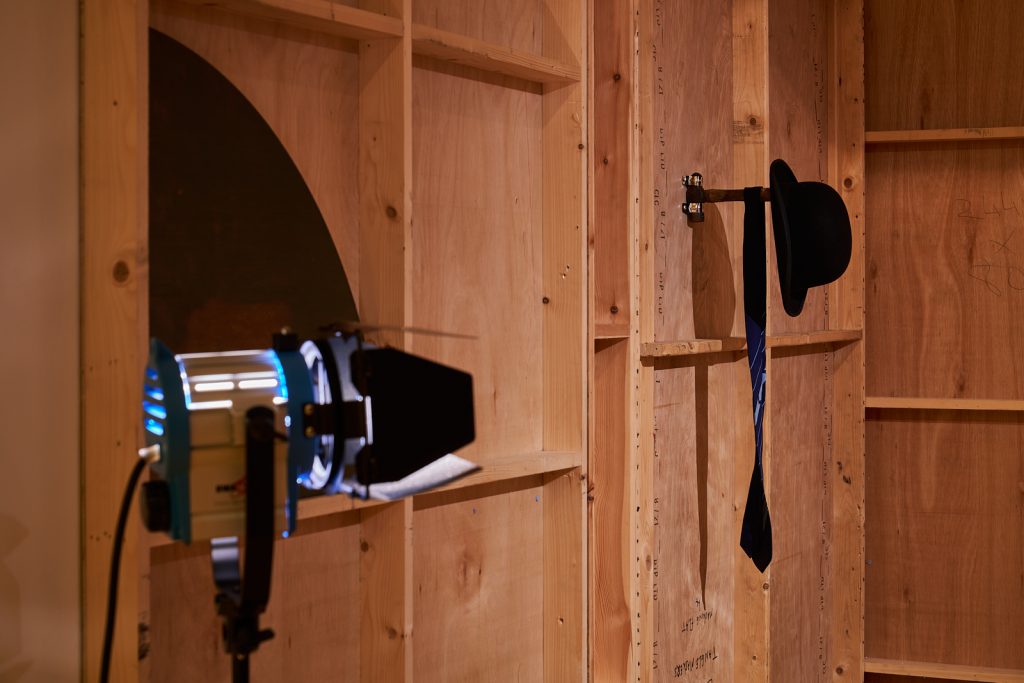
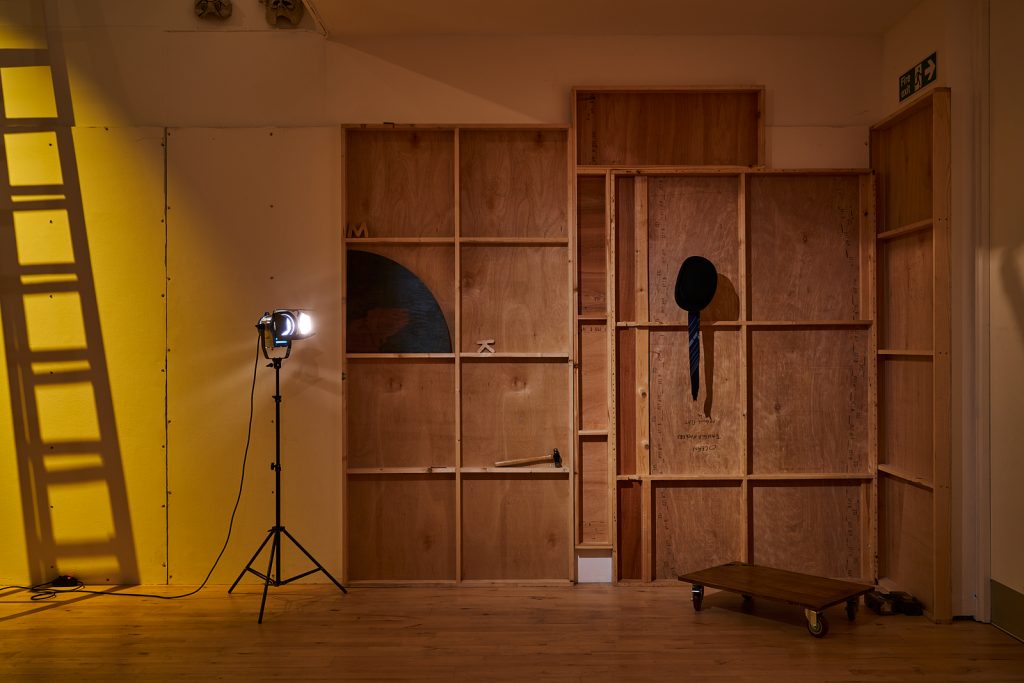
This collaborative exhibition transforms the gallery into a space for making, gathering and performance, in which the mechanics of work and decision making are revealed and the histories of worker movements and radical theatre can be revisited, with alternative scenarios tested, scripts rewritten, objects remade and the play restaged. Created with Production Designer Rosanna Vize, the exhibition is divided into two ‘Acts’. The first Act is set in the Lucas corporate offices, glossy mock wood paneled surfaces clad the walls and archival materials are inspected by management. The second Act, presents the ‘behind the scenes’ backstage of a working theatre, including a recreation of the Broadside Mobile Workers Theatre stage and original and reimagined props from earlier productions. Movable skate stages and print materials invite the opportunity to reconfigure the space. ‘Flats’ and props borrowed from the National Theatre, The Rose Theatre Kingston and The Old Vic also set the scene.
Throughout the exhibition, talks, performances and collaborative activities will revisit this history and test alternative possibilities, with members from Broadside Mobile Workers Theatre and Lucas Workers sharing their stories. Over the course of the exhibition Sophie Huckfield, Dr Caoimhe McGuinness and Theatre of the Oppressed facilitators will work with Performance Art students at Kingston University to deconstruct and develop new iterations of “The Participation Waltz”, connecting the history of workers’ theatre with contemporary questions around work, demilitarization, democracy and education.
Special thanks to Kathleen McCreery for their generosity and permission to use Broadside Mobile Workers Theatre archive materials for the exhibition. Thanks also to The National Theatre, The Rose Theatre Kingston and The Old Vic.
Public Programme
Launch Event IT’S SHOWTIME !
Friday 18 September 6-8pm
Performance with Broadside Mobile Worker Theatre member and Socialist Magician Ian Saville.
Saturday 17 October 1-4pm
Exhibition tour and in conversation with Kathleen McCreery (co-writer and director of the Participation Waltz and co-founder of Broadside Mobile Workers Theatre) and Phil Asquith (Lucas Worker and one of the founders of The Plan) and Sophie Huckfield
Stanley Picker Gallery Late THE SHOW’S NOT OVER !
Friday 27 November 6-8:30pm
Sophie Huckfield and Dr Caoimhe McGuinness will work with School of Performing Arts students to deconstruct and rework “The Participation Waltz” with a closing performance with students as part of our Stanley Picker Gallery Late.
Rehearsals will be taking place on the Thursday afternoons listed below. Public are welcome to visit during these times however the gallery will be in use with the performance group Alternative Production(s) and Kingston School of Performing Arts.
15 October 2-4pm
22 October 2-4pm
12 November 2-4pm
19 November 2-4pm
26 November 2-4pm
Additionally the third-year BA Drama Unit Staging Contexts 3: The Experimental will be using the gallery and project studio on select Tuesday mornings from 11-2pm throughout the semester. Stanley Picker gallery will be hosting Kingston Live Art Platform at the gallery on 15 December.