

Nicole Wermers The London Shape

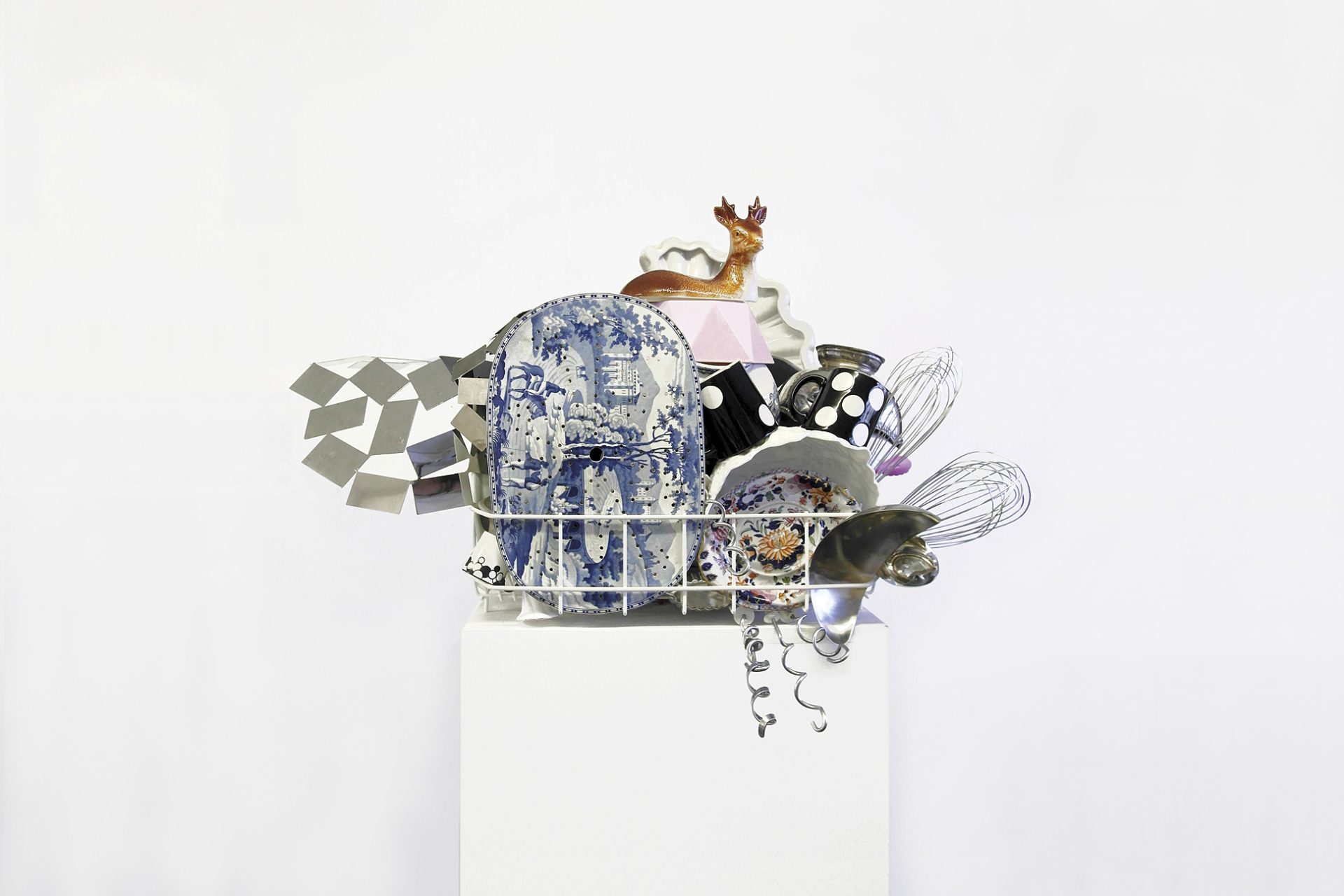
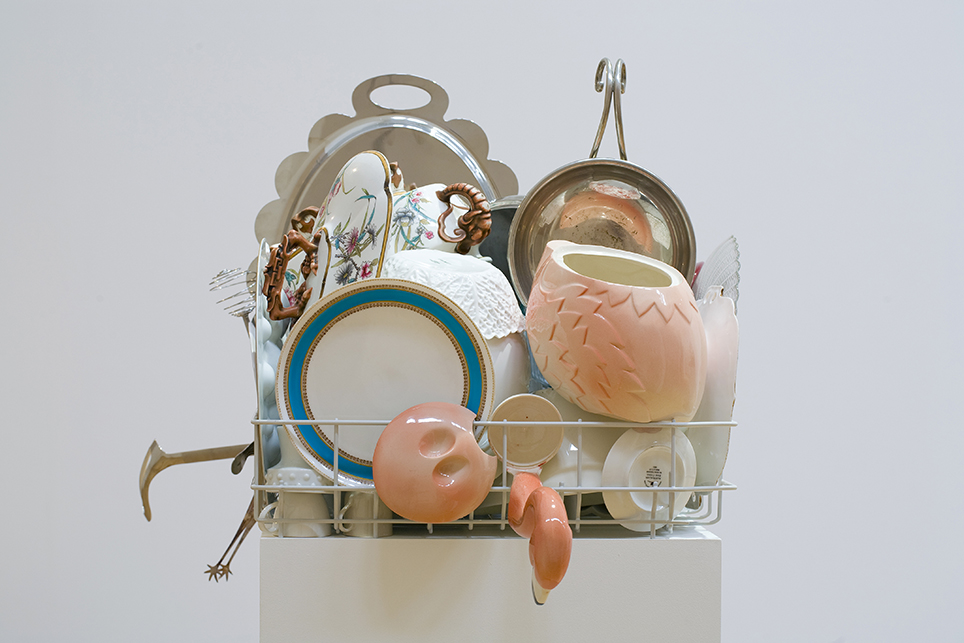
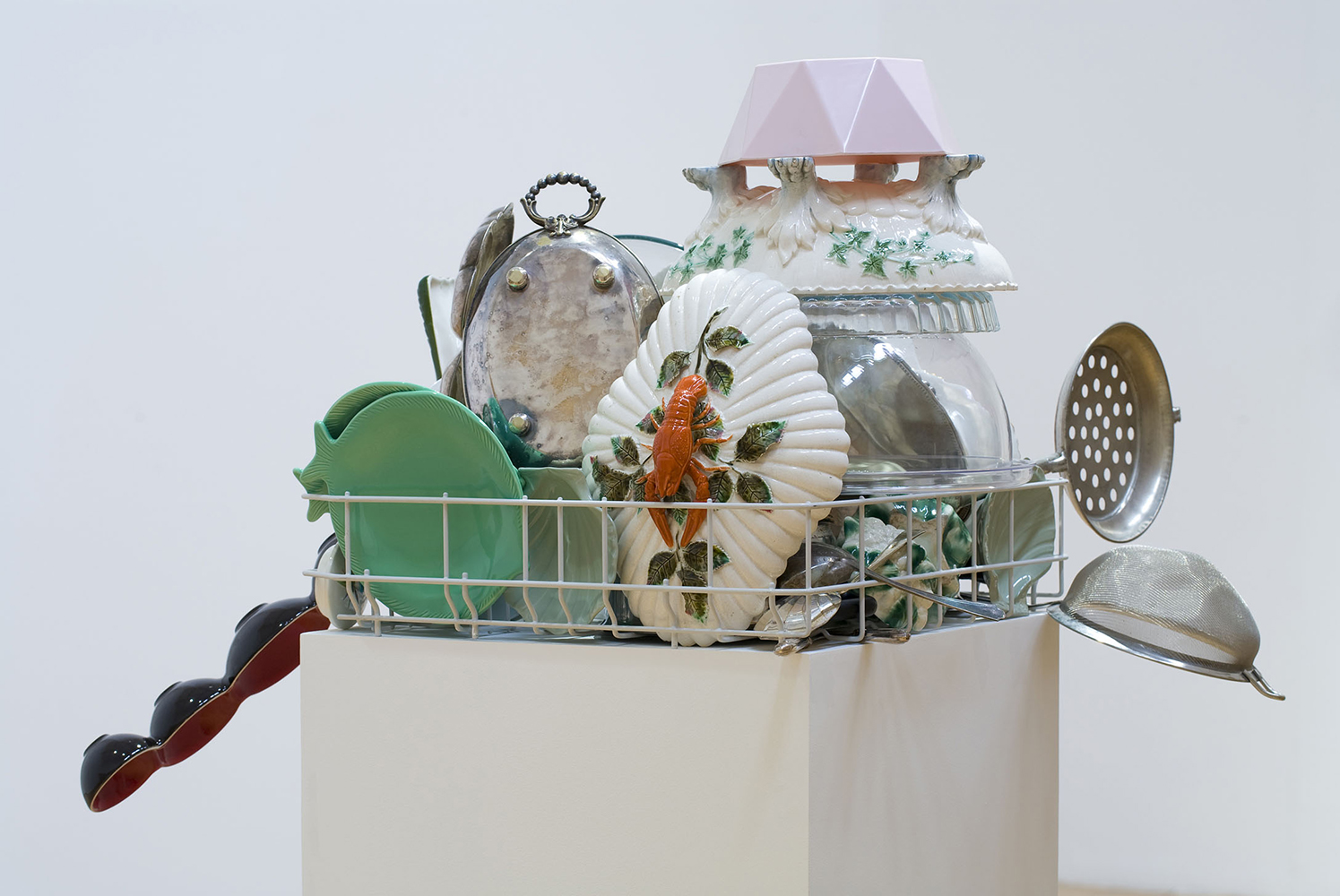
Nicole Wermers Abwaschskulpturen (Dishwashing Sculpture) (2013) detail. Courtesy the Artist & Herald Street Gallery. Photography Ellie Laycock
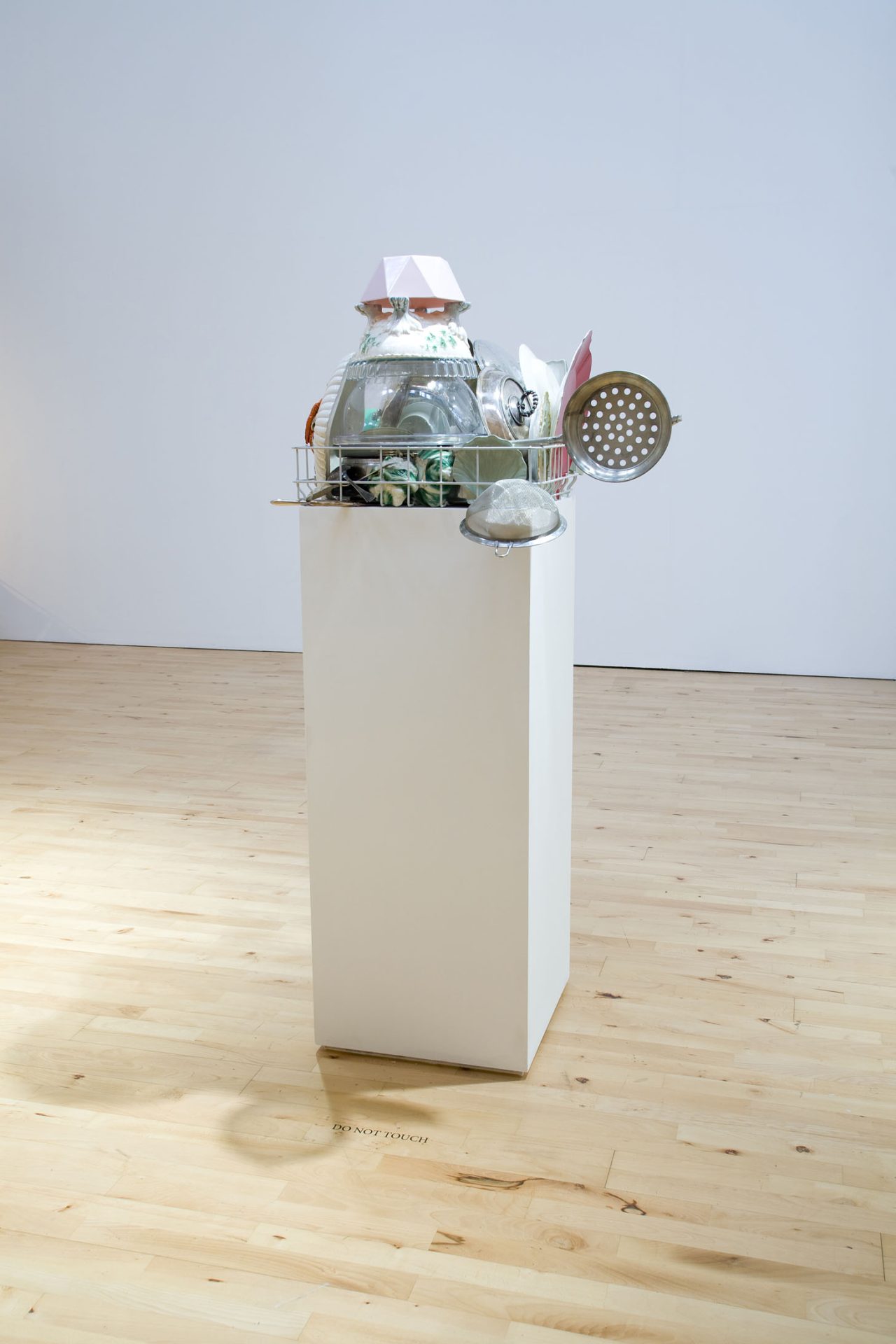
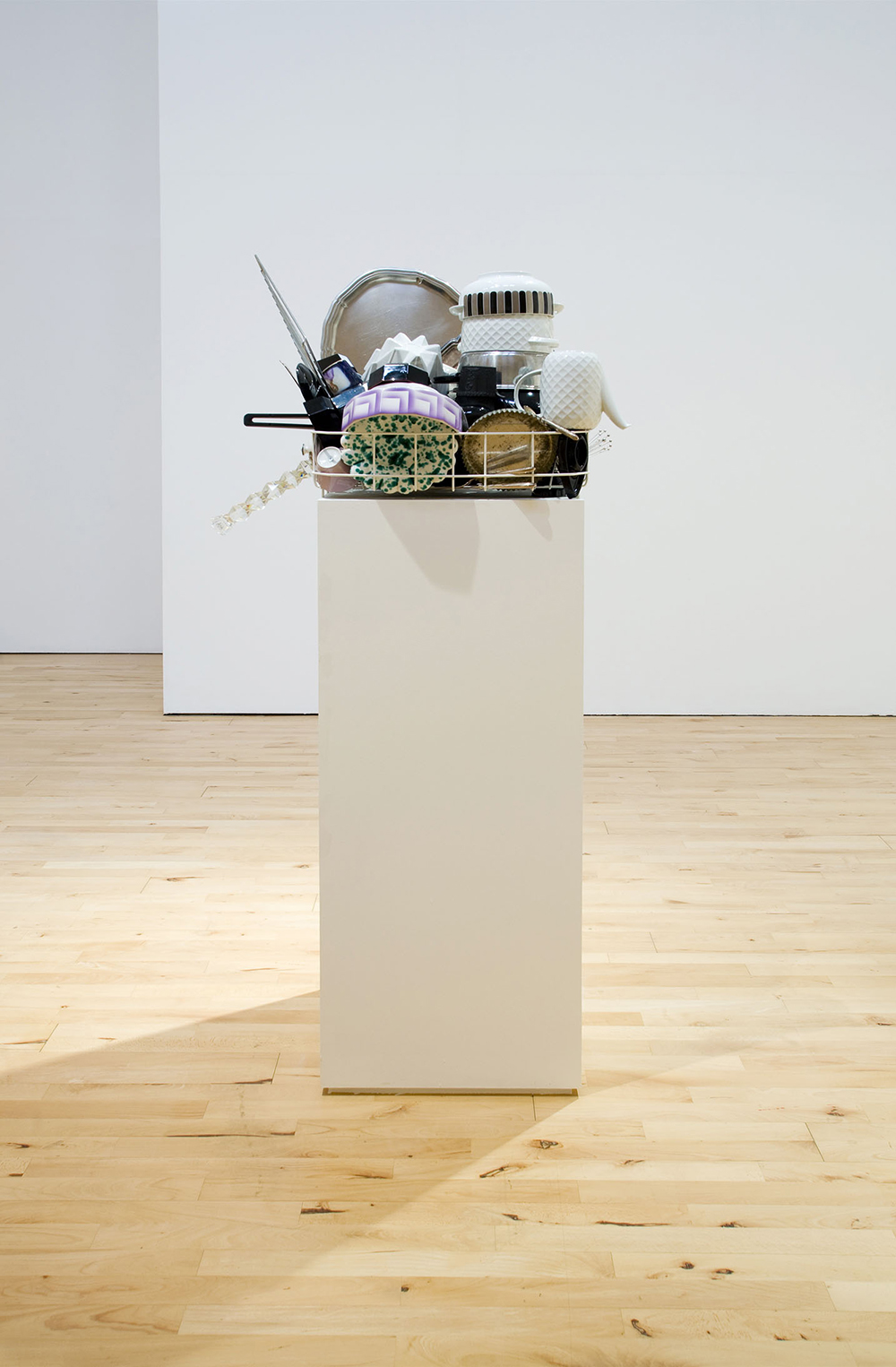
Nicole Wermers Abwaschskulpturen (Dishwashing Sculpture) (2013). Courtesy the Artist & Herald Street Gallery.
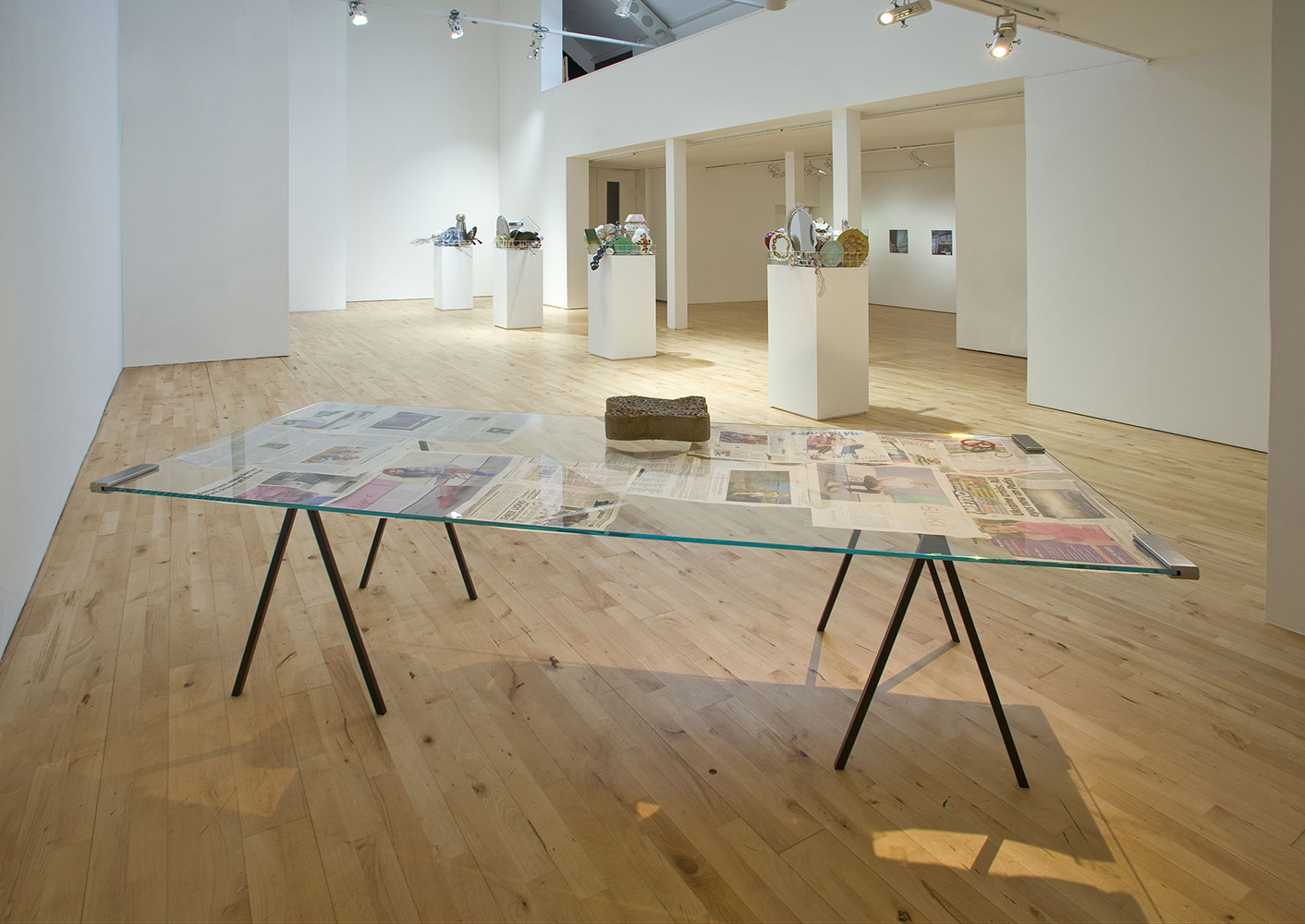
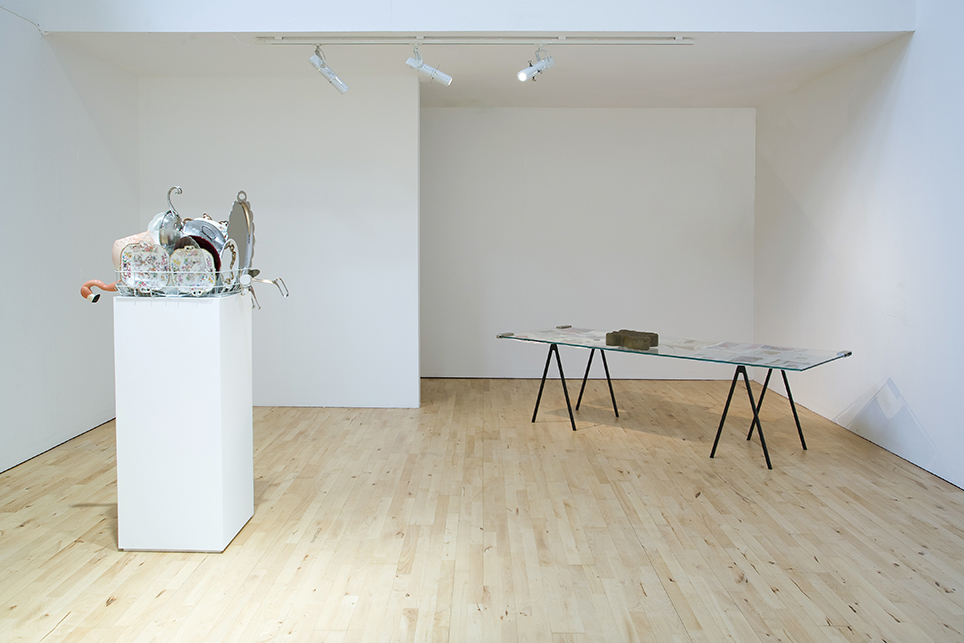
Nicole Wermers The London Shape (2014) installation view. Photography Ellie Laycock
Nicole Wermers Untitled (2014) mixed media. Courtesy the Artist & Herald Street Gallery. Photography Ellie Laycock
Nicole Wermers Untitled (2014) mixed media; detail. Courtesy the Artist & Herald Street Gallery. Photography Ellie Laycock
Nicole Wermers The London Shape (2014) installation view. Photography Ellie Laycock
Nicole Wermers The London Shape (2014) installation view. Photography Ellie Laycock
Nicole Wermers Abwaschskulpturen (Dishwashing Sculpture) (2013) detail. Courtesy the Artist & Herald Street Gallery. Photography Ellie Laycock
Nicole Wermers Abwaschskulpturen (Dishwashing Sculpture) (2014). Courtesy the Artist & Herald Street Gallery. Photography Ellie Laycock
Nicole Wermers Abwaschskulpturen (Dishwashing Sculpture) (2013). Courtesy the Artist & Herald Street Gallery. Photography Ellie Laycock
Nicole Wermers Abwaschskulpturen (Dishwashing Sculpture) (2013) detail. Courtesy the Artist & Herald Street Gallery. Photography Ellie Laycock
Nicole Wermers Abwaschskulpturen (Dishwashing Sculpture) (2014). Courtesy the Artist & Herald Street Gallery. Photography Ellie Laycock
Abwaschskulpturen (Dishwashing Sculpture) detail 2014
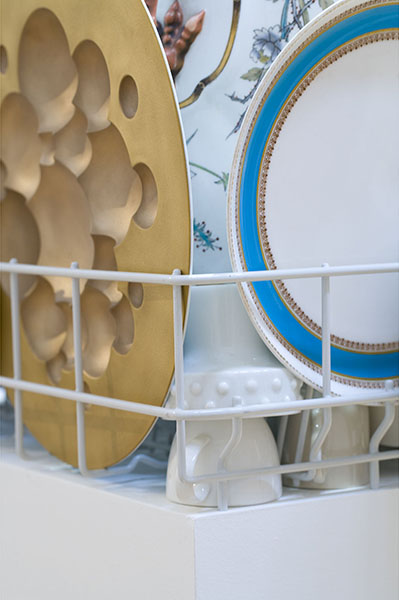
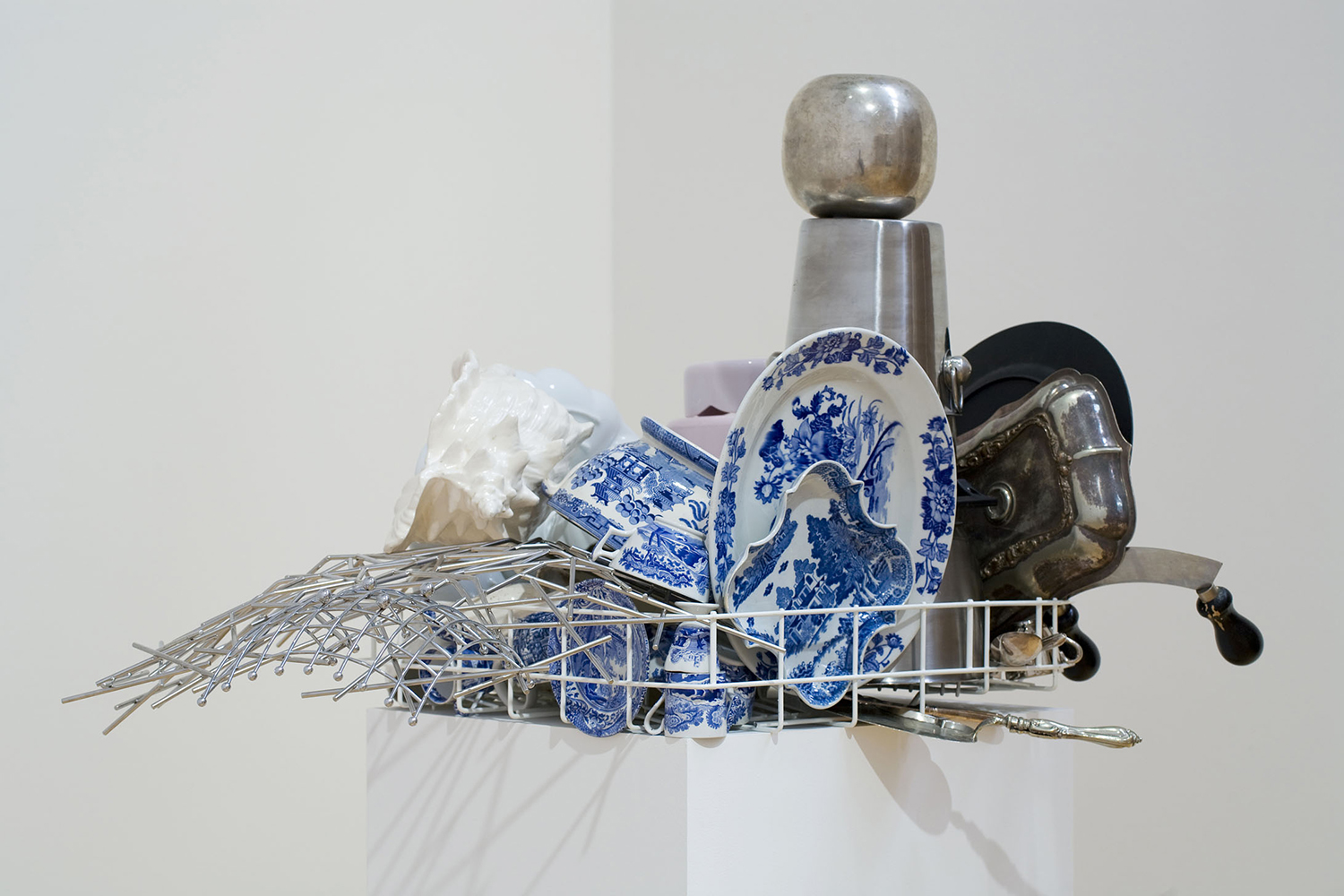
Nicole Wermers Abwaschskulpturen (Dishwashing Sculpture) (2014) detail. Courtesy the Artist & Herald Street Gallery. Photography Ellie Laycock
Abwaschskulpturen (Dishwashing Sculpture) 2014
Nicole Wermers Abwaschskulpturen (Dishwashing Sculpture) (2013). Courtesy the Artist & Herald Street Gallery. Photography Ellie Laycock
Nicole Wermers Abwaschskulpturen (Dishwashing Sculpture) (2013) detail. Courtesy the Artist & Herald Street Gallery. Photography Ellie Laycock
Nicole Wermers The London Shape (2014) installation view. Photography Ellie Laycock
Nicole Wermers The London Shape (2014) installation view. Photography Ellie Laycock
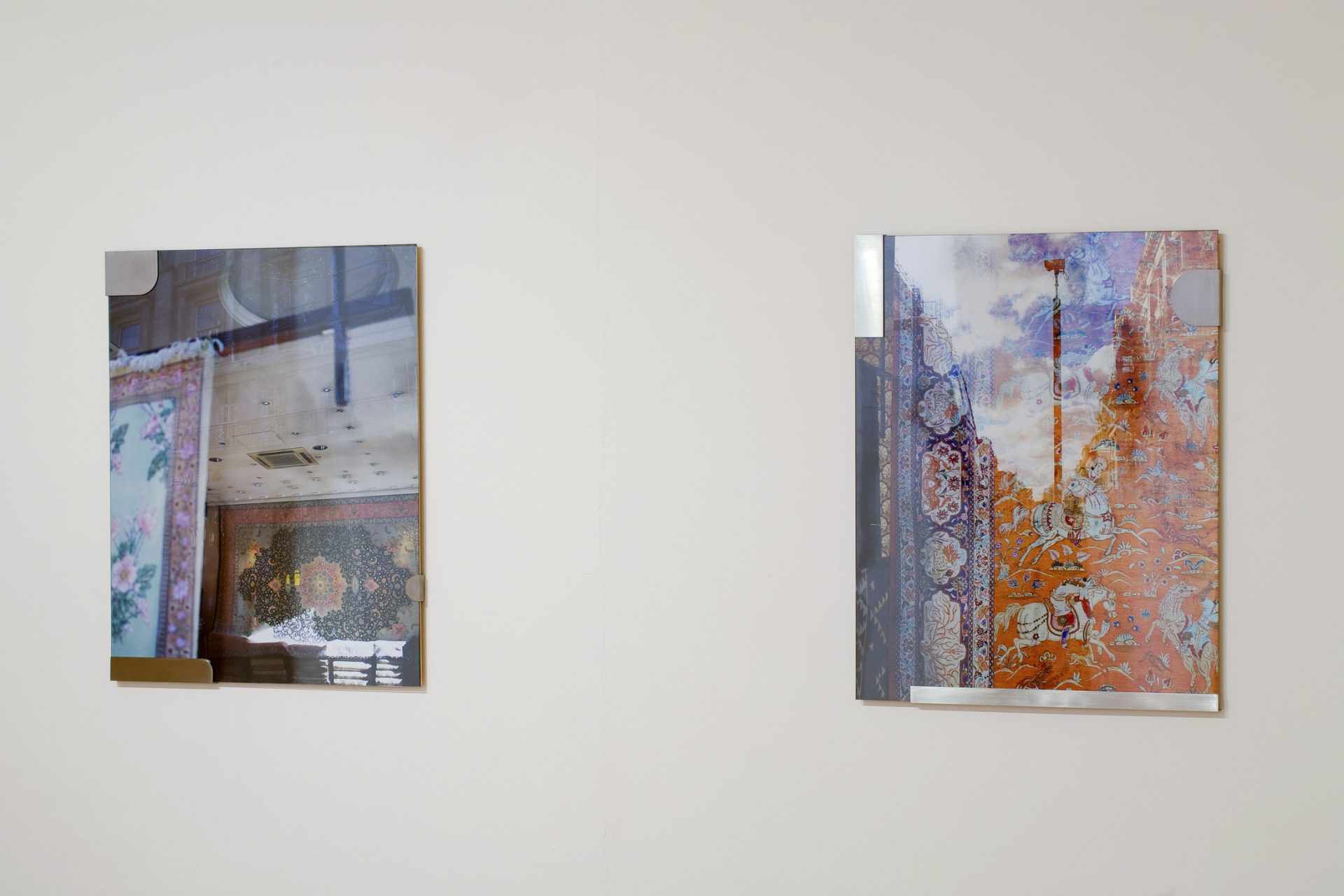
Nicole Wermers Untitled (2014) photograph, clip frame, stainless steel. Courtesy the Artist & Herald Street Gallery. Photography Ellie Laycock

The London Shape is the name attributed to the particular shape of teapots and cups characterized by a fanciful design, based upon Grecian ornamentation, that appeared in 1812 to almost instant popularity and became dominant over the common Bute by 1820.

An observer of urban life, artist and Stanley Picker Fellow  Nicole Wermers  (now nominated for the Turner Prize 2015) has consistently directed her attention to the subtle changes in public space and the elements of its evolving design. Her works have reflected upon the design of department store security gates, anti-slip plates, modular office furniture, ashtrays or dispensers. Whilst these components of public space are subject to shifting fashions, their perpetual presence both disciplines and determines our behaviour in everyday life.

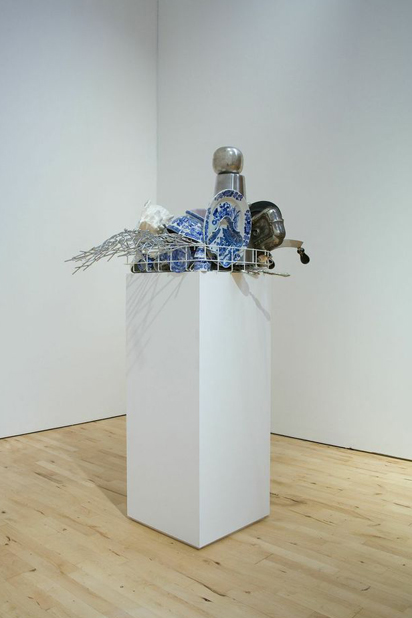
Over the course of her Stanley Picker Fellowship – during which time she has been intrigued by the suburban location of the Stanley Picker Gallery and the late modernist Picker House, and their remoteness from the urban centre of London – Wermers has continued to investigate how the formal language of modernism has influenced the design of everyday objects and how one can render this influence visible by changes in perspective, dimension and form.The artist’s recent special commission for Tate Britain consists of a double-fronted coffee spoon entitled Manners, integrated into the otherwise generic cutlery in the new Café and Members Room. A recent series of sculptures called Abwaschskulpturen (Dishwashing Sculptures), are arrangements of antique porcelain, common earthenware and metallic kitchen devices placed inside modified dishwasher baskets to create formal compositions that fit precisely on top of white plinths. The choice of these often bizarre combinations are based both on formal criteria and the functional possibilities of stacking, whilst the final works can be read as emphatic references to the history of still life in painting.

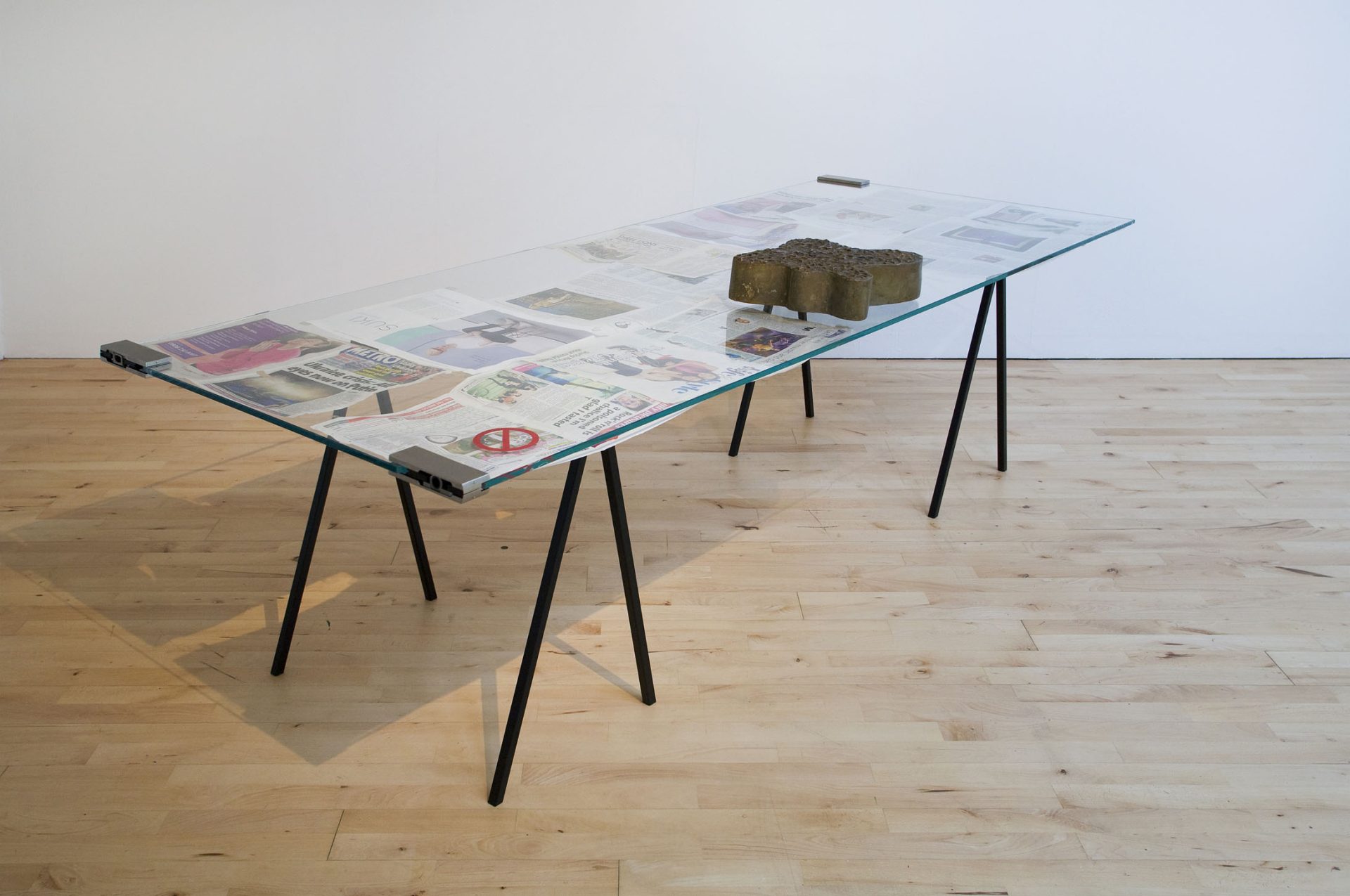
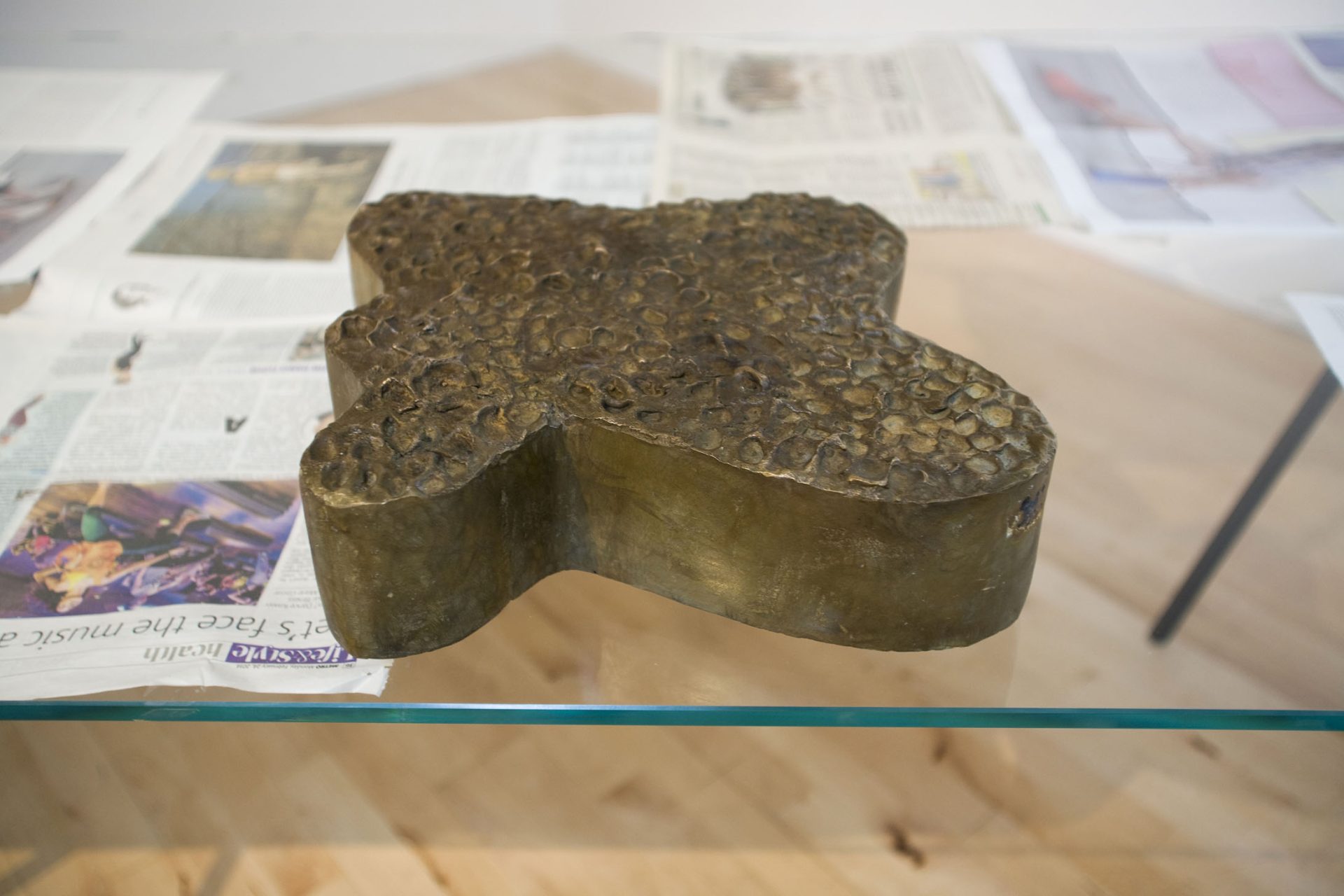
For The London Shape the artist is producing a series of new sculptural works made with sheets of plate-glass laid out on trestles and featuring sculptural door pulls, knobs and handles each designed by Wermers herself. Seemingly extracted from an urban architectural context, these frame-less doors complete with attached hardware, also feature graphic posters, promotional and security stickers. The de-contextualisation of the objects and their shift from vertical to horizontal, release the doors and handles of their prescribed functionality and amplify their sculptural and material qualities.

Nicole Wermers Artist Website

Nicole Wermers Stanley Picker Fellowship

Manners Tate Britain Commission


Biography

Nicole Wermers’ sculptures, photographs and collages connects formal considerations with a discussion about urban space and its social, economical and psychological aspects. Combining references to art history with modern surfaces and materials, the artist explores fine art aesthetics within the design of daily life, specifically the ways it has been appropriated by consumer culture.  Combining and reconfiguring familiar objects into new material forms, Wermers addresses the structures of ritualised social relations and the material objects through which these associations are communicated. These works transform, contain, and frame their environment, prompting a deeper consideration of how surface and design read as social and cultural indicators.

Born in 1971 in Emsdetten, Germany, Wermers is currently based in London. She has participated in residencies at Delfina Studio Trust in London (2004) and Camden Arts Centre in London (2005), and received a fellowship at Villa Massimo, the German Academy in Rome (2012). In 2015, Wermers was nominated for the Turner Prize.

She was appointed a Stanley Picker Fellow in 2012.